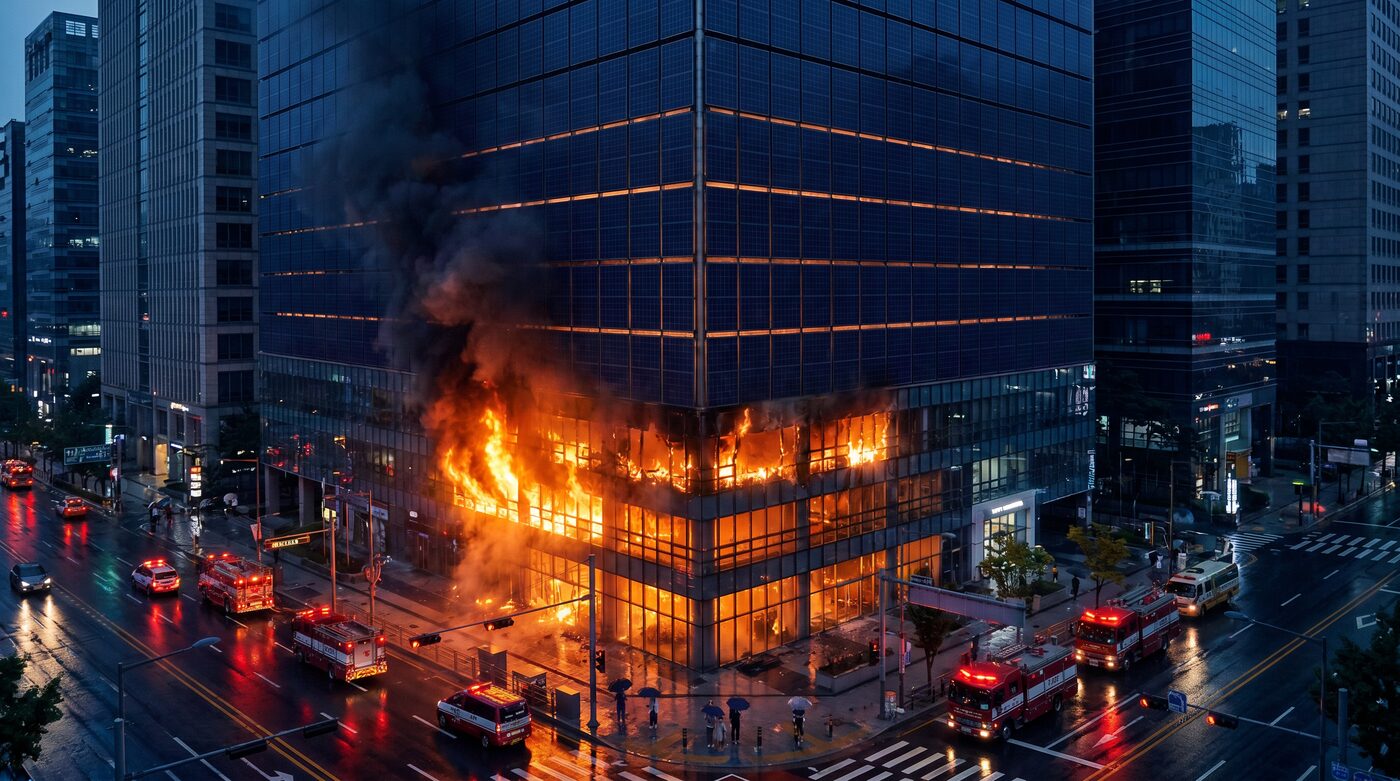
FIRE-SAFE BIPV

A New Standard for
Fire-Safe BIPV

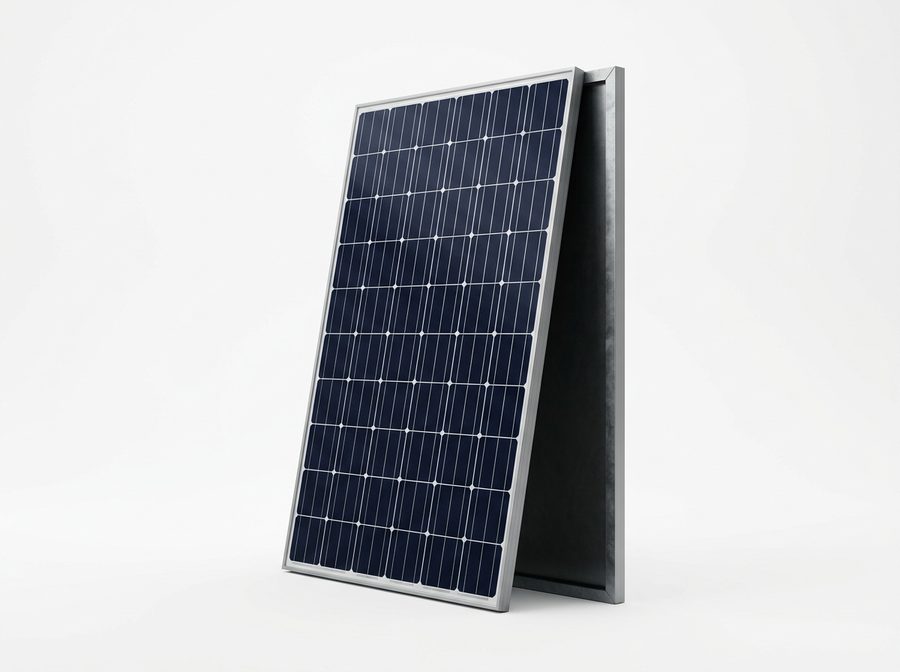
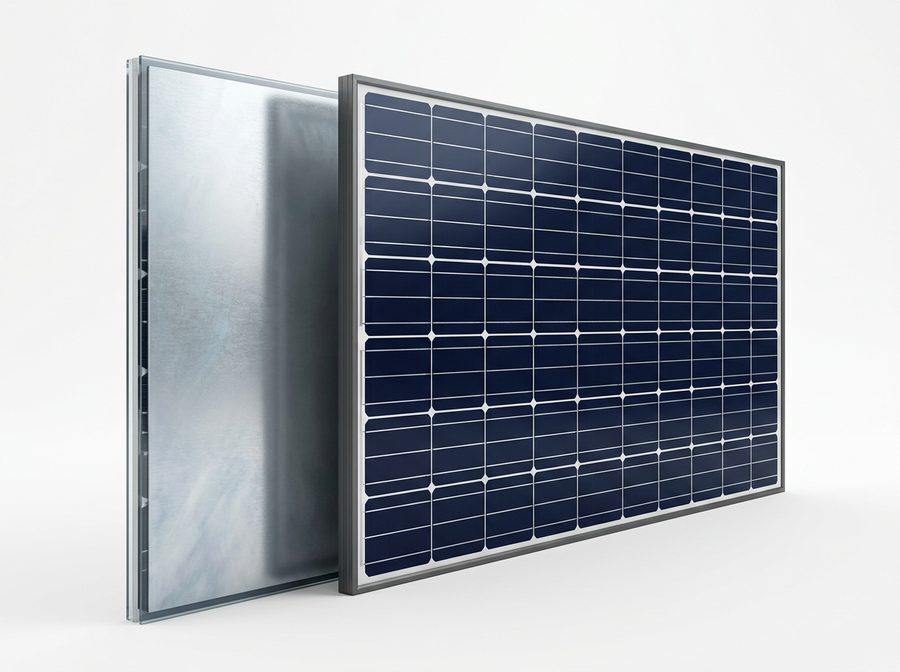
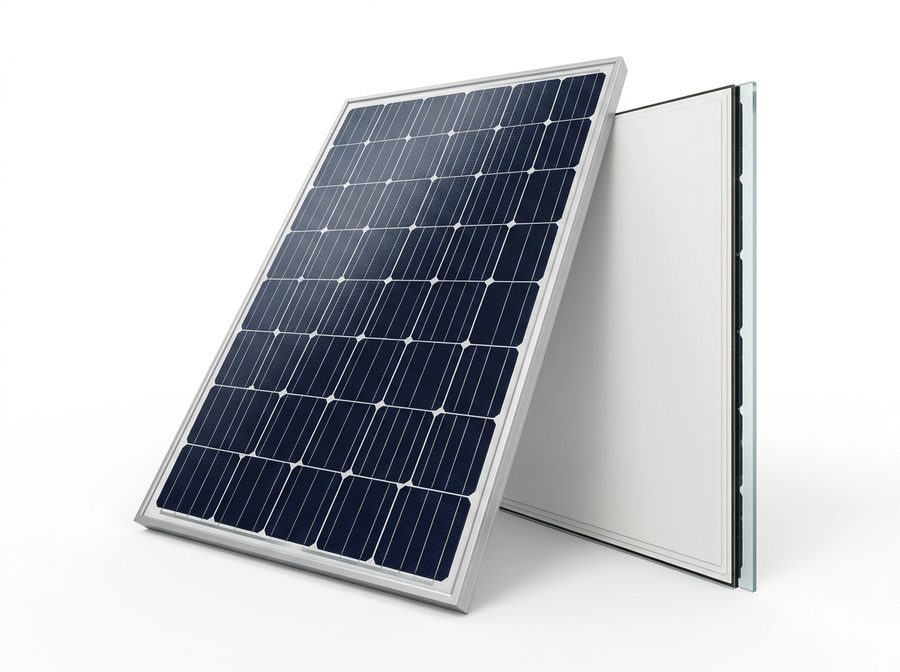
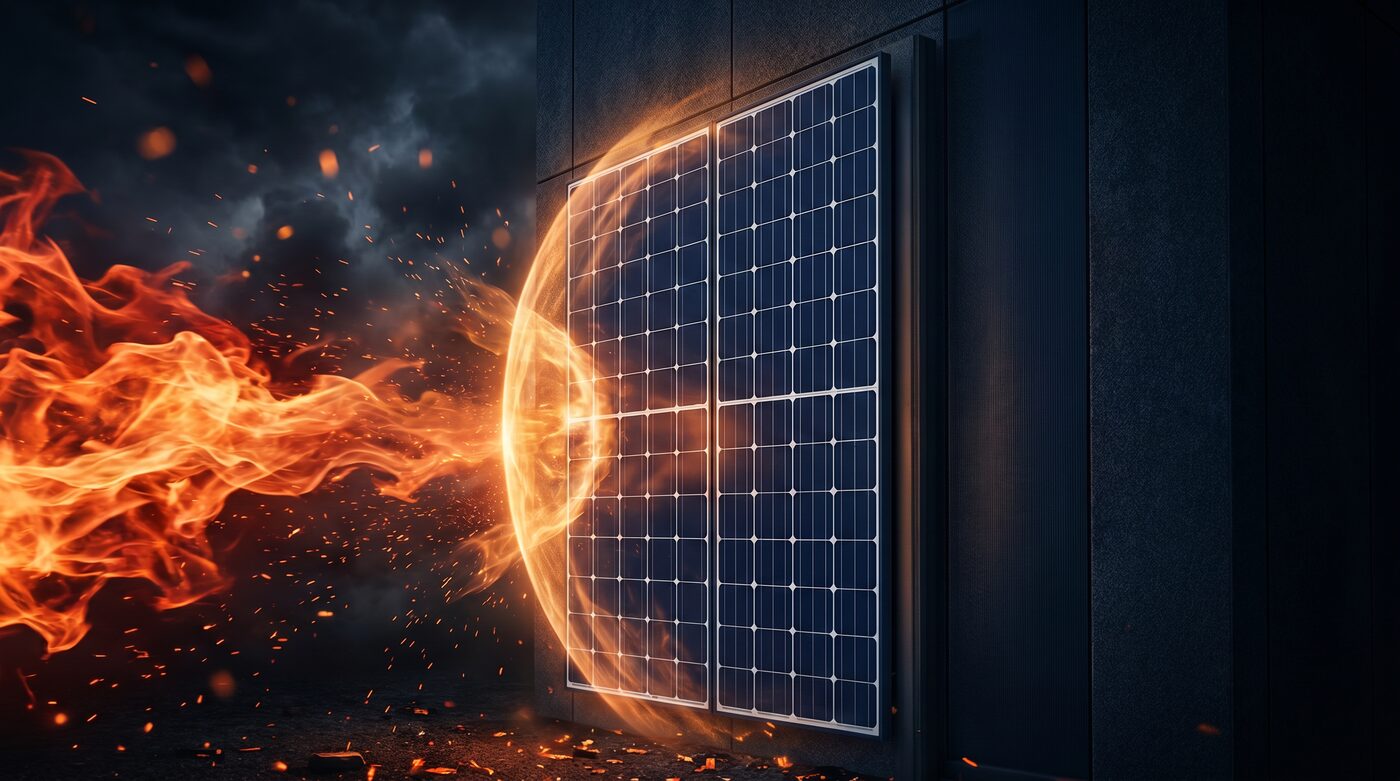
PYROSOL is a specialist manufacturer that integrates fire-spread-prevention structure into building-integrated photovoltaic (BIPV) modules. Every lineup is engineered to meet the KS F 8414 test criteria.

4-PILLAR G2G · G2S · G2P · G2B
KS F 8414 Engineered to meet criteria
25Y Power warranty
01 · OVERVIEW

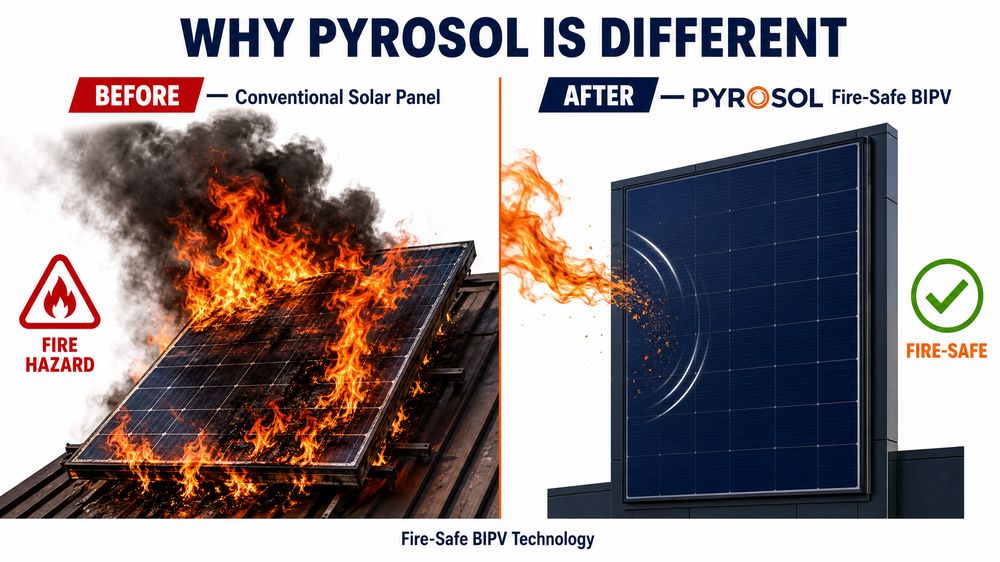
Why PYROSOL Is Different

WHY PYROSOL · CORE VALUES

BIPV is both a power-generation system and a building façade material. PYROSOL is a specialist BIPV manufacturer that makes fire safety the default in both roles.

01

Safety is the default, not an option

Fire-spread-prevention structure is built into all four lineups — G2G · G2S · G2P · G2B. It is the baseline design of PYROSOL BIPV, not an add-on.

02

You can choose the backing material

Glass · standard steel · POSMAC coated steel · in-house fire-rated backsheet — whichever backing you select for your building, the fire-safety design level stays the same.

03

Verified by established test frameworks

Engineered on domestic and international test criteria including KS F 8414 · KS F ISO 5660-1 · UL 1699B. We run our own verification system rather than relying solely on foreign certification.

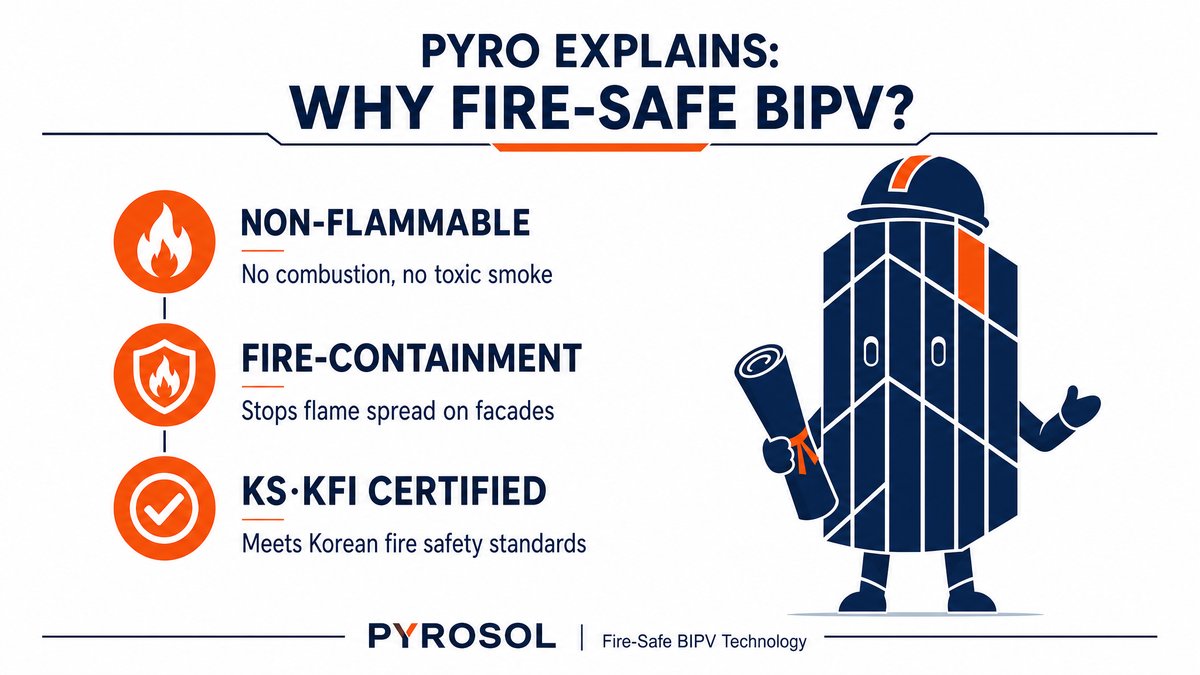
Infographic of the PYRO mascot explaining fire-safe BIPV
MEET PYRO · THE SAFETY MASCOT

Hello, I'm PYRO

PYRO is PYROSOL's mascot, here to safeguard BIPV fire safety. PYRO makes complex test standards and technical specifications easy for anyone to understand.

NON-FLAMMABLE · FIRE-CONTAINMENT · KS·KFI CERTIFIED

02 · FIRE-SAFETY

The Four Axes of BIPV Fire Safety

FIRE-SAFETY TEST FRAMEWORK

BIPV fire safety must be proven simultaneously across four axes — system, material, electrical, and global. PYROSOL develops every product on a design principle that runs through all four.

Infographic of the PYRO mascot explaining fire-safe BIPV

The Four Contact Points That Decide BIPV Fire Safety

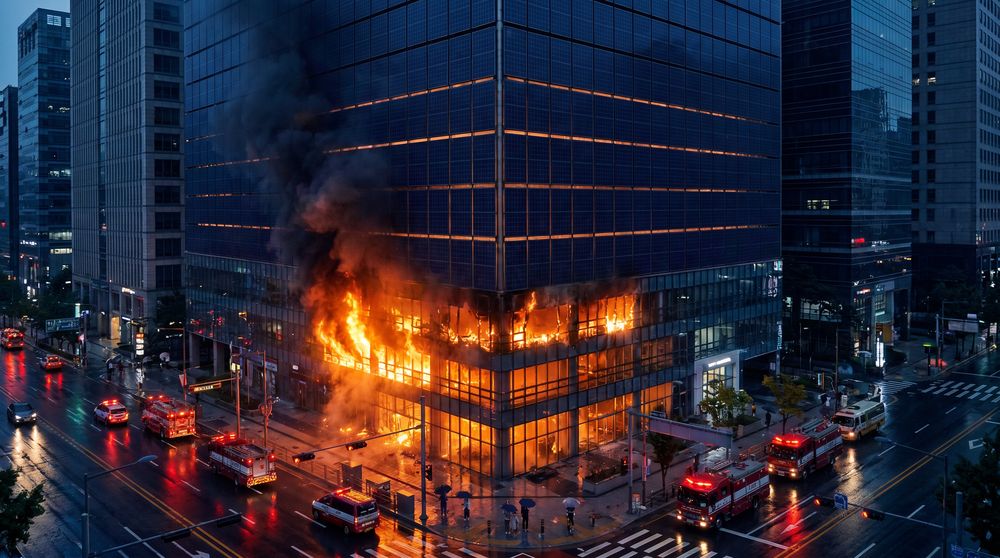
Behind the flat panel of a BIPV façade sits an air cavity for cooling and drainage. In a fire, this cavity acts like a chimney, rapidly spreading flame to upper floors — which is why safety must be proven across four axes: electrical, material, system, and global certification.

PYRO explains — Every PYROSOL lineup (G2G/G2S/G2P/G2B) is designed considering all four axes at once. It isn't the result but the design principle itself that takes fire safety as a premise.
CAVITY EFFECT · CHIMNEY CROSS-SECTION

Why the BIPV Façade Cavity Is Dangerous

The cavity (air gap) behind a BIPV façade acts like a chimney in a fire, rapidly propagating flame to upper floors. Hover over the three risk points below.

PYROSOL FORMASHIELD™ SOLUTION

Cavity sealing + multi-layer fire-safety structure blocks all three risks above at once.

BIPV panel Air gap (cavity) Structural wall ▲ FIRE SOURCE ↑ FLAME RISE 1 2 3
DIAGRAM · CAVITY CHIMNEY EFFECT · NOT TO SCALE
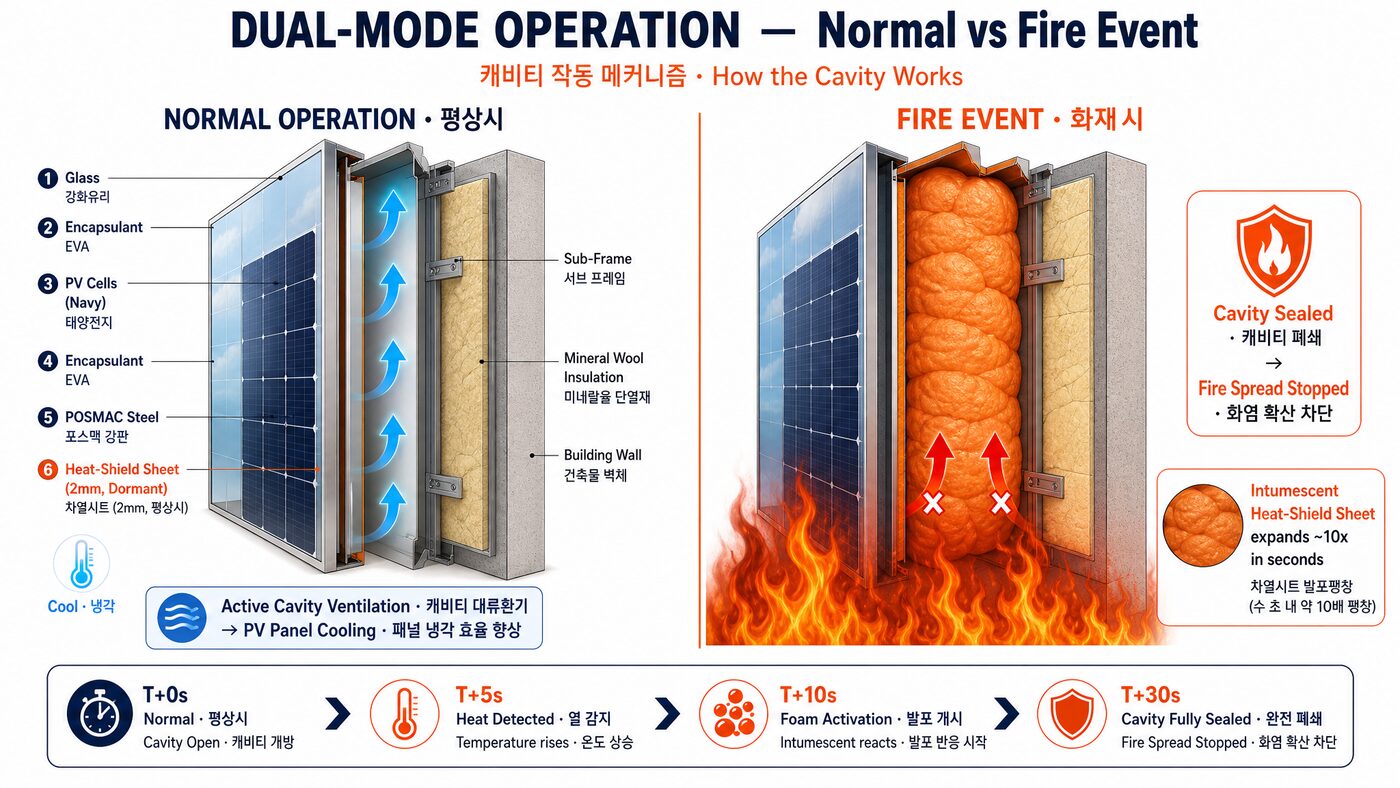
FORMASHIELD™ · DUAL-MODE CAVITY

Ventilated in normal use, sealed in a fire

The answer to the chimney effect is not to cover the cavity, but to design it so it stays safe even while open. In normal use the air gap stays open for panel cooling and condensation drainage (left); in a fire, the fire-barrier member foams and expands to seal the cavity (right), blocking the upward spread of flame. This is the same family of approach as the open-state cavity barrier practice in European and UK standards.

Dual-mode cavity operation — normal ventilation vs. fire-barrier foaming/sealing mechanism comparison
Test method

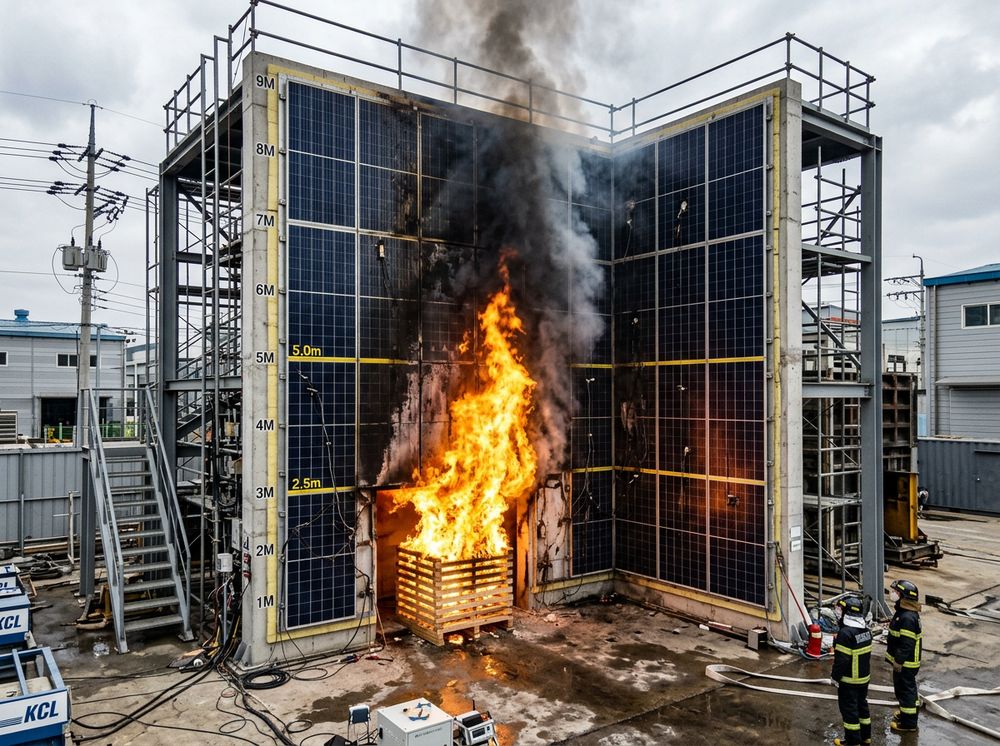
The full façade-cladding system is installed on the main and wing walls, and a timber crib is stacked at the base of the combustion-chamber opening and ignited. Measurement begins when the Level 1 (2,500 mm) external thermocouple stays ≥ 200 K for 30 seconds.

Pass criteria

Within 15 minutes of the start time, the Level 2 (5,000 mm) external thermocouple must not exceed 600 ℃ for more than 30 seconds.

PYROSOL response Every lineup (G2G·G2S·G2P·G2B) is engineered to meet the KS F 8414 test criteria.
Test method

A 100×100×50 mm specimen is exposed to 50 kW/㎡ radiant heat for 10 minutes to measure the heat it releases and its behavior.

Limited-combustibility criteria

Total heat release (THR) ≤ 8 MJ/㎡ over 10 minutes; peak heat-release rate must not exceed 200 kW/㎡ for more than 10 consecutive seconds; and no fire-hazardous cracks or holes.

BIPV specificity

Unlike ordinary building materials, BIPV is a composite of generating cells, encapsulant and backing, so it requires system-level evaluation beyond a material grade.

Test purpose

BIPV is a direct-current (DC) generation system. A DC arc does not cross zero current and will not self-extinguish, so a dedicated interruption circuit (AFCI) is essential.

Regulatory status

U.S. NEC 690.11 has mandated it for new PV installations since 2011. Both containment and interruption of arcs occurring at the junction box are evaluated.

PYROSOL response

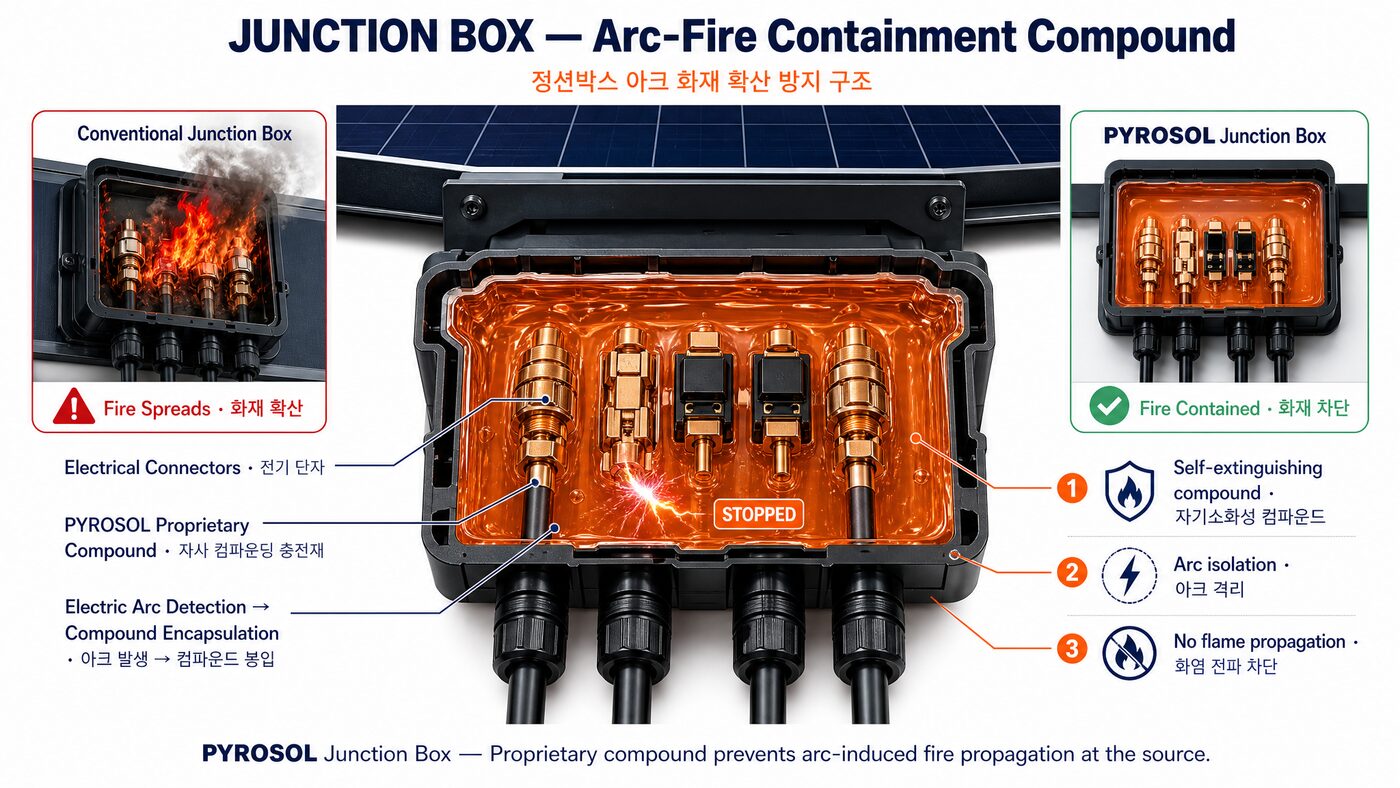
PYROSOL BIPV junction boxes integrate an AFCI circuit compliant with UL 1699B / IEC 63027.

Standard status

An international standard written in parallel with UL 1699B, addressing weaknesses of the older UL 1699B (e.g., not reflecting real operation, false alarms).

Relationship with UL

Not competing but complementary. Meeting both standards covers the U.S. and international markets alike.

Scope

FM 4476 covers flexible PV and FM 4478 covers rigid PV; both assess fire performance based on ASTM E108.

Significance

FM Approvals is a global insurer/certifier that evaluates BIPV as a building assembly rather than an individual panel.

Test method

Uses 25-ft and 50-ft corner tests and the 16-ft Parallel Panel Test (PPT) to assess façade-system fire performance at multiple scales.

Significance

One of the strictest global criteria, assessing façade-BIPV fire performance from the perspective of the entire façade system.

Background

A certification standard FM Approvals is developing specifically for wall-mounted BIPV systems, based on the 2025 FM research report.

Key finding

When the BIPV module is charged (heated by sun exposure), peak heat-release rate is 50–60% higher than uncharged — though the final grade is the same.

FIRE-TEST & STRUCTURE VISUALS

Proven by test and structure

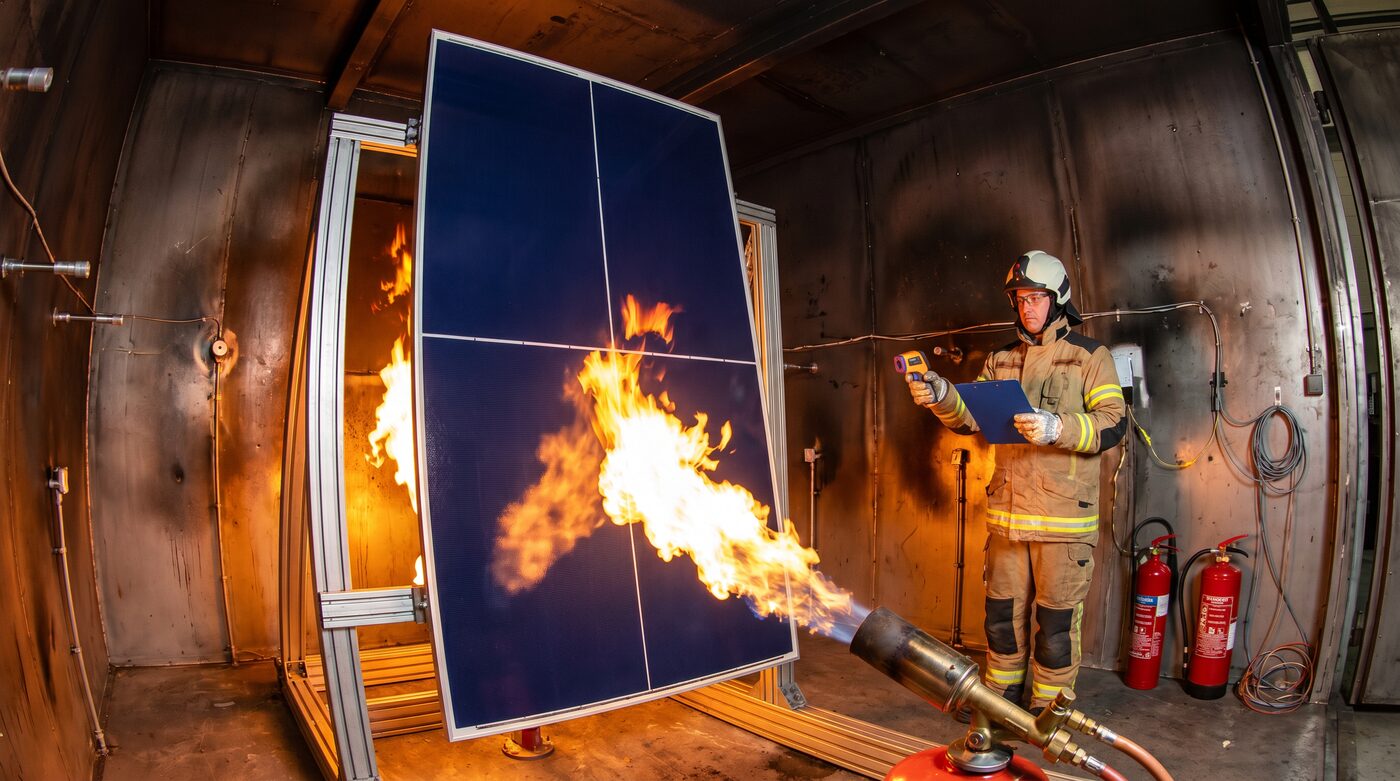
BIPV module under direct flame in a full-scale fire-test chamber
FIRE-TEST CHAMBER
Fire-test chamber · direct flame on module
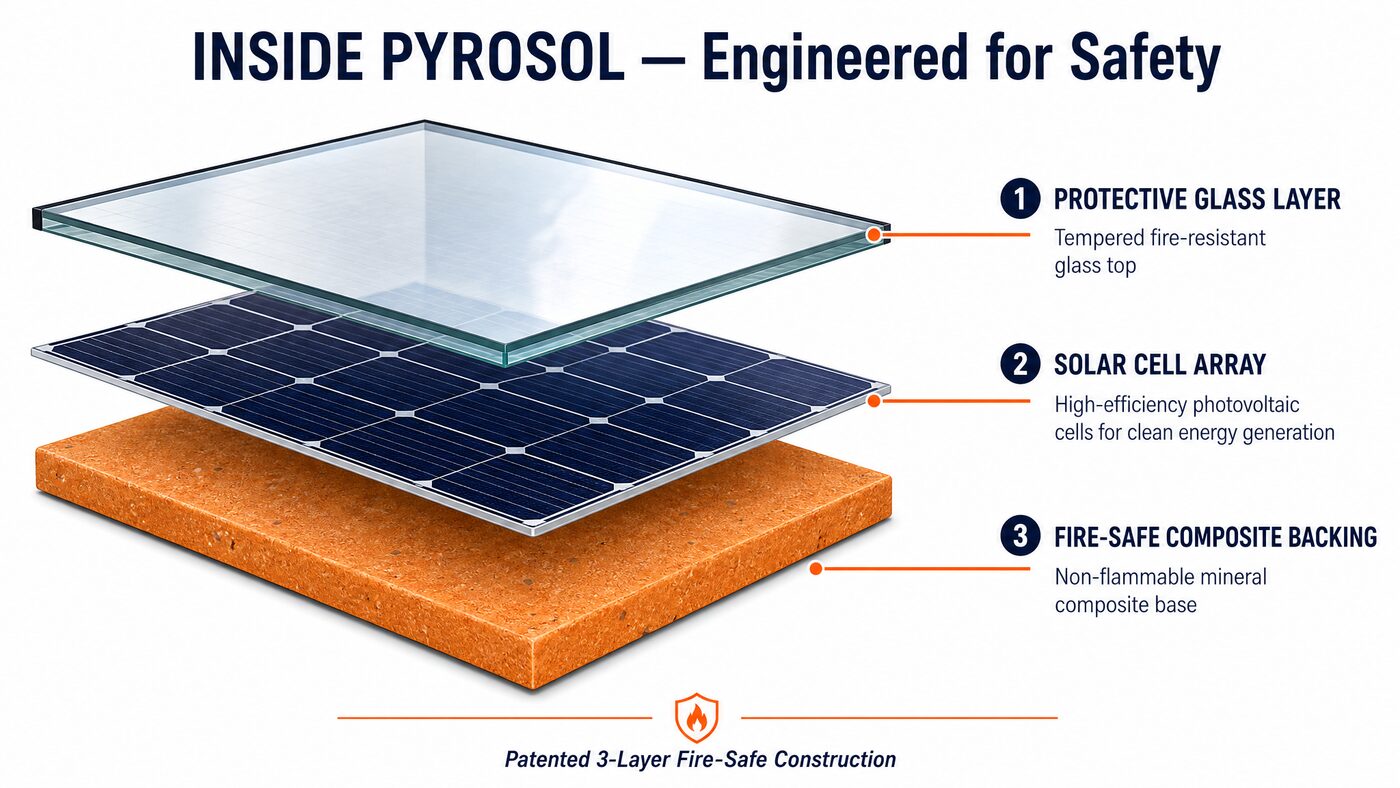
Three-layer structure concept: tempered glass, PV cells and non-combustible composite backing
3-LAYER STRUCTURE
3-layer concept · glass · cell · non-combustible backing
Concept of containing and blocking DC-arc fire spread inside the junction box
ARC CONTAINMENT
Junction-box arc · ignition-point containment

Conceptual & explanatory visuals · CONCEPTUAL VISUALS · NOT TO SCALE

Note. The test criteria above are the general framework for verifying BIPV fire safety; copies of PYROSOL's actual test reports and certificates are provided on request.
03 · CERTIFICATION

Where We Stand on Certification & Standards

STANDARDS COMPLIANCE & CERTIFICATION ROADMAP

PYROSOL applies the domestic and international standards across the four fire-safety axes from the design stage, securing test results and certifications step by step. Below is the response status for each standard; test reports and certificates on file are sent during project-level review.

KS F 8414 Design conformance
① System level · full-scale façade fire test

Every lineup (G2G·G2S·G2P·G2B) is engineered at the level of the entire façade system to meet the KS F 8414 test criteria. Rather than a single product, cladding + insulation + substructure + cavity + fire-barrier are verified as one system.

KS F ISO 5660-1 Material set applied
② Material level · cone calorimeter (limited-combustibility)

The module's core materials are combined to meet the limited-combustibility criteria (total heat release ≤ 8 MJ/㎡). This material-combustibility check — the stage preceding the full-scale test — is reflected in the 4-Pillar design.

UL 1699B · IEC 63027 Interface design reflected
③ Electrical fire · DC arc-fault detection & interruption

BIPV is a façade material that generates electricity. UL 1699B / IEC 63027-compliant DC arc detection & interruption (AFCI) interfaces and junction-box containment design are reflected in the system package.

FM 4476·4478·4880·4483 Monitoring · phased pursuit
④ Global certification · FM Approvals assembly level

FM 4476/4478 (roof) · 4880 (façade Class 1) · 4411 (cavity wall), plus the BIPV-façade-specific standard FM 4483 (in development), are monitored as we pursue global certification in stages.

CERTIFICATION ROADMAP · STAGES
1 Design conformance In progress

Apply the four-axis standards from the design stage — integrating system, material, electrical and cavity structures to standard criteria.

2 Secure tests & results Pursuing

Securing test reports step by step via full-scale, material and electrical tests at accredited laboratories.

3 Obtain certification Planned

Targeting domestic quality-recognition/KS and overseas FM certification, obtaining the grade each project requires.

Source standards. KS F 8414 · KS F ISO 5660-1 (Korean Standards Service Network, KFPA) · UL 1699B · IEC 63027 · FM 4476/4478/4880/4411/4483 (FM Approvals). KS F 8414 is a voluntary (KS) standard established in 2019, and FM 4483 is currently in development. Rather than asserting test results, PYROSOL presents information from the standpoint of "design that meets the standards".
04 · FM BIPV

Global Criteria — FM Approvals

FM APPROVALS · ASSEMBLY-LEVEL FIRE PERFORMANCE

FM Approvals, a global insurer and certifier, treats BIPV not as an individual PV panel but as part of a building assembly, evaluating the fire performance of the entire roof/façade assembly with clearly defined test methods and pass values.

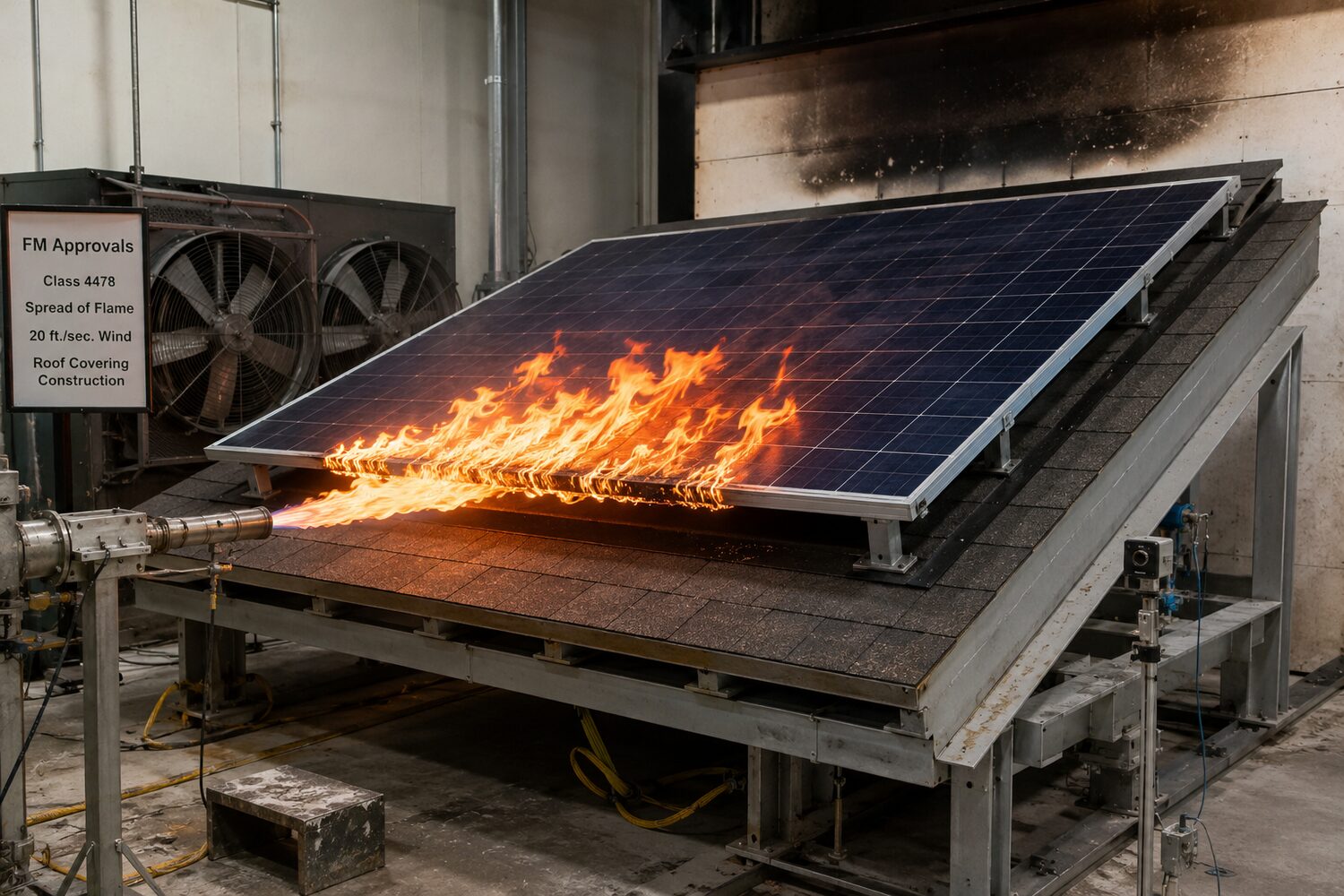
FM 4478 — wind-driven fire flame-spread test of a roof-PV system
FM 4478 · WIND-DRIVEN FLAME · ROOF-PV

Roof BIPV is evaluated as a 'roof-PV system' combining roofing material and PV panel. A modified ASTM E108 test exposes it to simulated wind-driven fire and also examines radiant-heat spread between panel and roof.

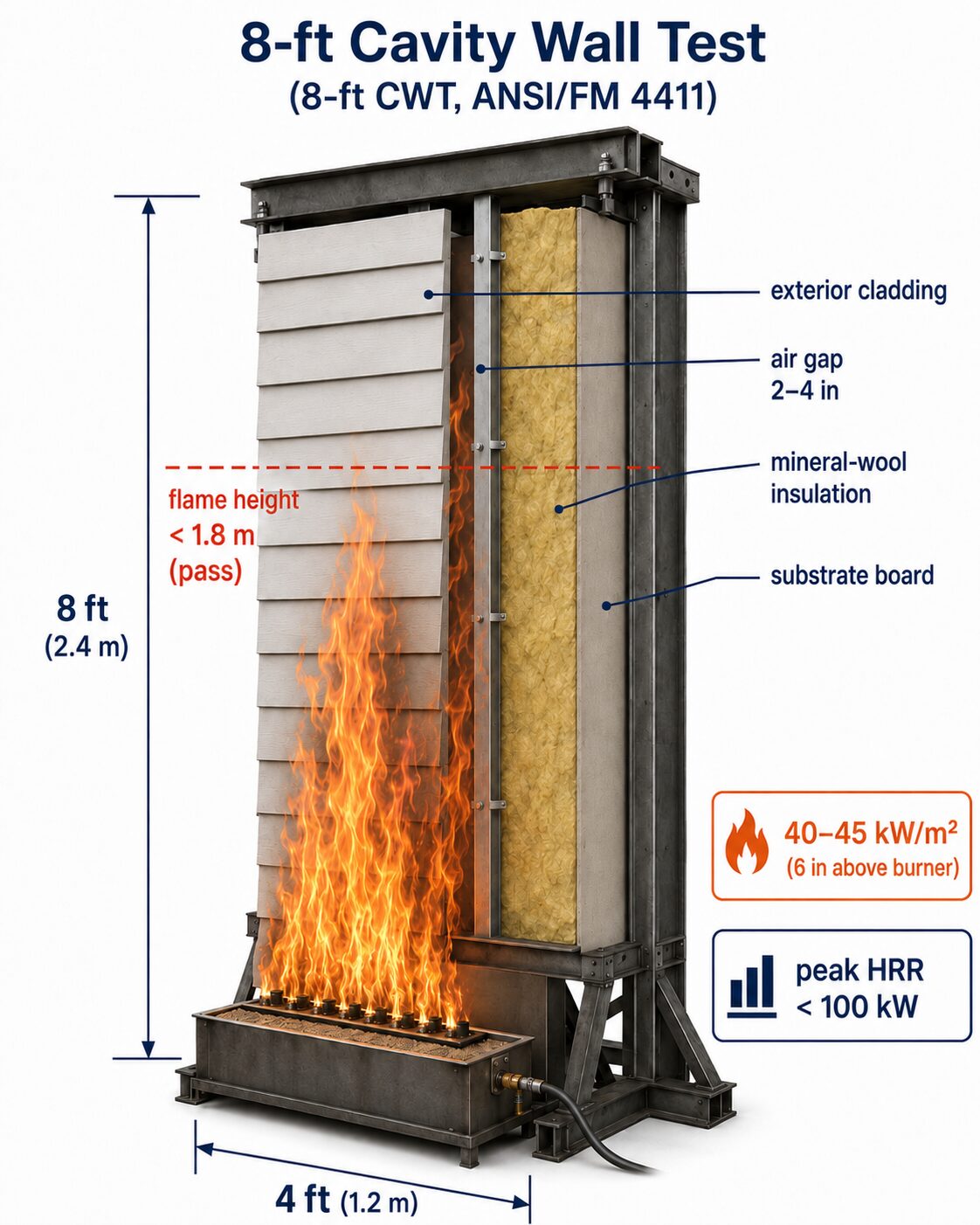
FM 4411 8-ft Cavity Wall Test (8-ft CWT) concept — simulating ignition inside the cavity
FM 4411 · 8-ft CWT

Cavity Wall Test (ignition inside the cavity)

Rather than sealing the cavity, fire is set directly inside it to verify the system endures. Pass criteria: during 15 min of heating, peak HRR < 100 kW and visible flame height < 1.8 m.

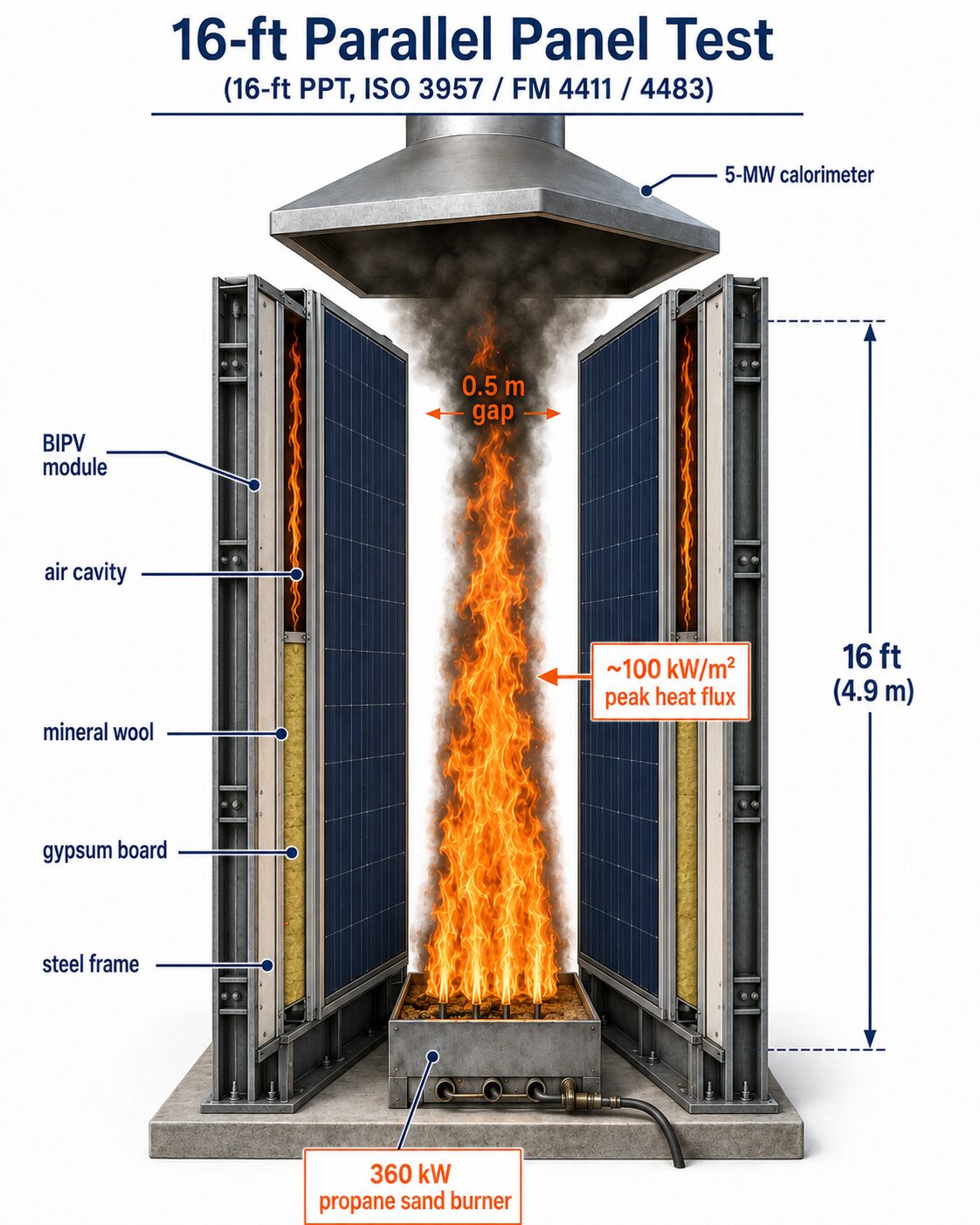
16-ft Parallel Panel Test (16-ft PPT, ISO 3957 / FM 4411·4483) concept
FM 4411·4483 · 16-ft PPT

16-ft Parallel Panel Test (entire façade system)

The entire façade system, including cables, is tested at a 4.9 m height. FM 4483 (in development) adds cavity thermocouples and recommends criteria such as a peak cavity temperature ≤ 200 ℃ at 12 ft height.

FM STANDARDS MAP
Roof BIPV
FM 4476 · FM 4478

Flexible modules use FM 4476, rigid modules FM 4478. Evaluated as an assembly combined with roofing material (modified ASTM E108).

Façade & cavity
FM 4880 · FM 4411

FM 4880 is the façade-system Class 1 fire rating (corner and parallel-panel tests); FM 4411 is the cavity-wall / rainscreen standard.

BIPV-façade-specific In development
FM 4483

A standard specific to wall-mounted BIPV. The 2025 FM research report presents recommendations based on cavity fire behavior.

FM 2025 RESEARCH · KEY FINDING

Charged state intensifies the fire

The FM 2025 study confirmed that testing a BIPV module in a charged (energized) state yields a peak heat-release rate 50–60% higher than uncharged. Preheating accelerates glass breakage and hastens flame entry into the cavity, so FM conservatively recommends uncharged testing.

DESIGN PHILOSOPHY · CAVITY PRINCIPLE

Don't hide the cavity — keep nothing flammable inside it

The FM approach verifies the cavity left open rather than sealed. Systems using non-combustible insulation showed no flame spread in the 8-ft CWT. Following this philosophy, PYROSOL designs systems that honestly leave the cavity open while excluding combustibles inside it.

Source. FM Approvals (FM 4476/4478/4880/4411) · Fire Performance Evaluation of BIPV Façade Systems, FM Research Technical Report 2025 (FM 4483 recommendations · charged/uncharged · cavity behavior). FM 4483 is currently in development, and figures are based on public sources.
Read the Global BIPV Fire-Safety Trends →

US · EU · UK · Korea standards, FM test data, and why it matters — a deep dive

05 · PRODUCT

Four Backings, One Value

4-PILLAR LINEUP · G2G · G2S · G2P · G2B

Offered in four lineups — G2G·G2S·G2P·G2B — by backing material. Whichever line you choose, the fire-spread-prevention structure is applied identically as standard.

G2G · MODULE Glass-to-Glass BIPV module
CUTAWAY · LAYER COMPOSITION
01 · Glass 02 · EVA 03 · Cell 04 · EVA 05 · Glass ★ FORMASHIELD™-C (External) G2G — DUAL GLASS CUTAWAY EXT INT
Glass-to-Glass

G2G Dual glass

Maximum design freedom

A dual-glass BIPV module with low-iron tempered glass front and back, combined with the FORMASHIELD™-C external cavity barrier. The line with the highest design freedom, suited to design-led façades such as curtain walls and premium elevations.

Best suited for
  • Buildings where curtain-wall / premium-elevation design is central
  • Façades using transmissive or reflective visual effects
  • Structural conditions that can bear the added weight
180W
Module power
18%
Efficiency
28kg/㎡
Weight
11mm
Thickness

※ Representative spec · per 1㎡ · system voltage DC 1,000V · operating temp −40 to +80℃ · 25-year power warranty · actual delivery customized per project

G2S · MODULE Glass-to-Steel BIPV module
CUTAWAY · LAYER COMPOSITION
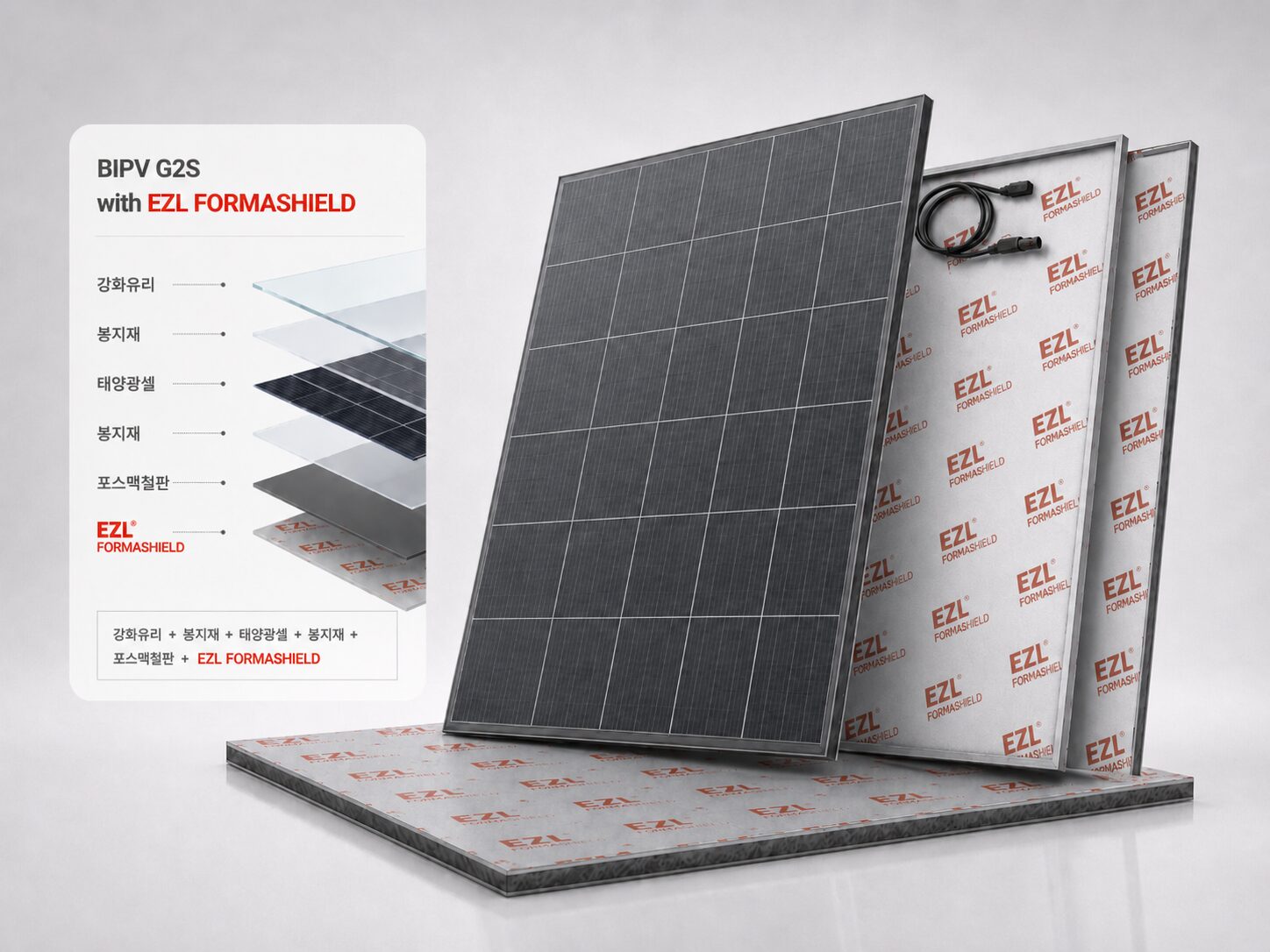
01 · Glass 02 · EVA 03 · Cell 04 · EVA ★ 05 · Steel Backplate G2S — STANDARD STEEL CUTAWAY
Glass-to-Steel

G2S Standard steel backing

Standard façade · general-purpose

A standard BIPV module laminating a tempered-glass front with a standard steel back. Excellent cost competitiveness and versatility — the standard line for broad use on ordinary façades and roofs.

Best suited for
  • Projects applying a standard spec to ordinary façades and roofs
  • Public or private projects where cost competitiveness matters
  • Sites needing fast deployment with a general-purpose design
185W
Module power
18.5%
Efficiency
18kg/㎡
Weight
7mm
Thickness

※ Representative spec · per 1㎡ · system voltage DC 1,000V · operating temp −40 to +80℃ · 25-year power warranty · actual delivery customized per project

G2P · MODULE Glass-to-POSMAC BIPV module
CUTAWAY · LAYER COMPOSITION
01 · Glass 02 · EVA 03 · Cell 04 · EVA ★ 05 · POSMAC coated steel G2P — POSMAC CUTAWAY
Glass-to-POSMAC

G2P POSMAC coated steel

Non-combustible · high corrosion-resistance

A differentiated BIPV module laminating a tempered-glass front with a POSMAC coated-steel back. A zinc-aluminium-magnesium alloy coating delivers 5–10× the corrosion resistance of ordinary steel while achieving a non-combustible grade.

Best suited for
  • Façades with high corrosion risk such as coastal or high-salinity environments
  • Public, medical and educational facilities requiring enhanced fire-safety grades
  • Projects prioritizing long-term durability and maintainability
185W
Module power
18.5%
Efficiency
18kg/㎡
Weight
7mm
Thickness

※ Representative spec · per 1㎡ · system voltage DC 1,000V · operating temp −40 to +80℃ · 25-year power warranty · actual delivery customized per project

G2B · MODULE Glass-to-Backsheet BIPV module
CUTAWAY · LAYER COMPOSITION
01 · Glass 02 · EVA 03 · Cell 04 · EVA 05a · Aluminum 05b · Fiberglass 05c · Intumescent ★ 05 · 3-Layer Fire-Block Backsheet G2B — FIRE-BLOCK BACKSHEET CUTAWAY
Glass-to-Backsheet

G2B In-house fire-rated backsheet

Lightweight · own IP

A tempered-glass front combined with PYROSOL's in-house multi-layer backsheet of aluminium + fiberglass + intumescent sheet. An in-house IP line achieving both light weight and fire protection.

Best suited for
  • Cladding applications where light weight is essential
  • Curved or irregular shapes and large-area façades
  • Designs that want fire-safety integrated inside the module
190W
Module power
19%
Efficiency
15kg/㎡
Weight
6mm
Thickness

※ Representative spec · per 1㎡ · system voltage DC 1,000V · operating temp −40 to +80℃ · 25-year power warranty · actual delivery customized per project

4-PILLAR · AT A GLANCE

Key Spec Comparison of the Four Lines

Line Backing Power Efficiency Weight Thickness Key use
G2G Dual glass 180W 18% 28kg/㎡ 11mm Curtain wall · premium façade
G2S Standard steel backing 185W 18.5% 18kg/㎡ 7mm Standard façade & roof, general-purpose
G2P POSMAC coated steel 185W 18.5% 18kg/㎡ 7mm Coastal · high corrosion-resistance · public facilities
G2B In-house fire-rated backsheet 190W 19% 15kg/㎡ 6mm Lightweight · curved · large-area
COLOR OPTIONS · COMMON TO ALL FOUR LINES

Color it however you like — fire safety stays the same

Color options apply to all four lines — G2G·G2S·G2P·G2B. Every color module is built on the same FORMASHIELD fire-protection structure.

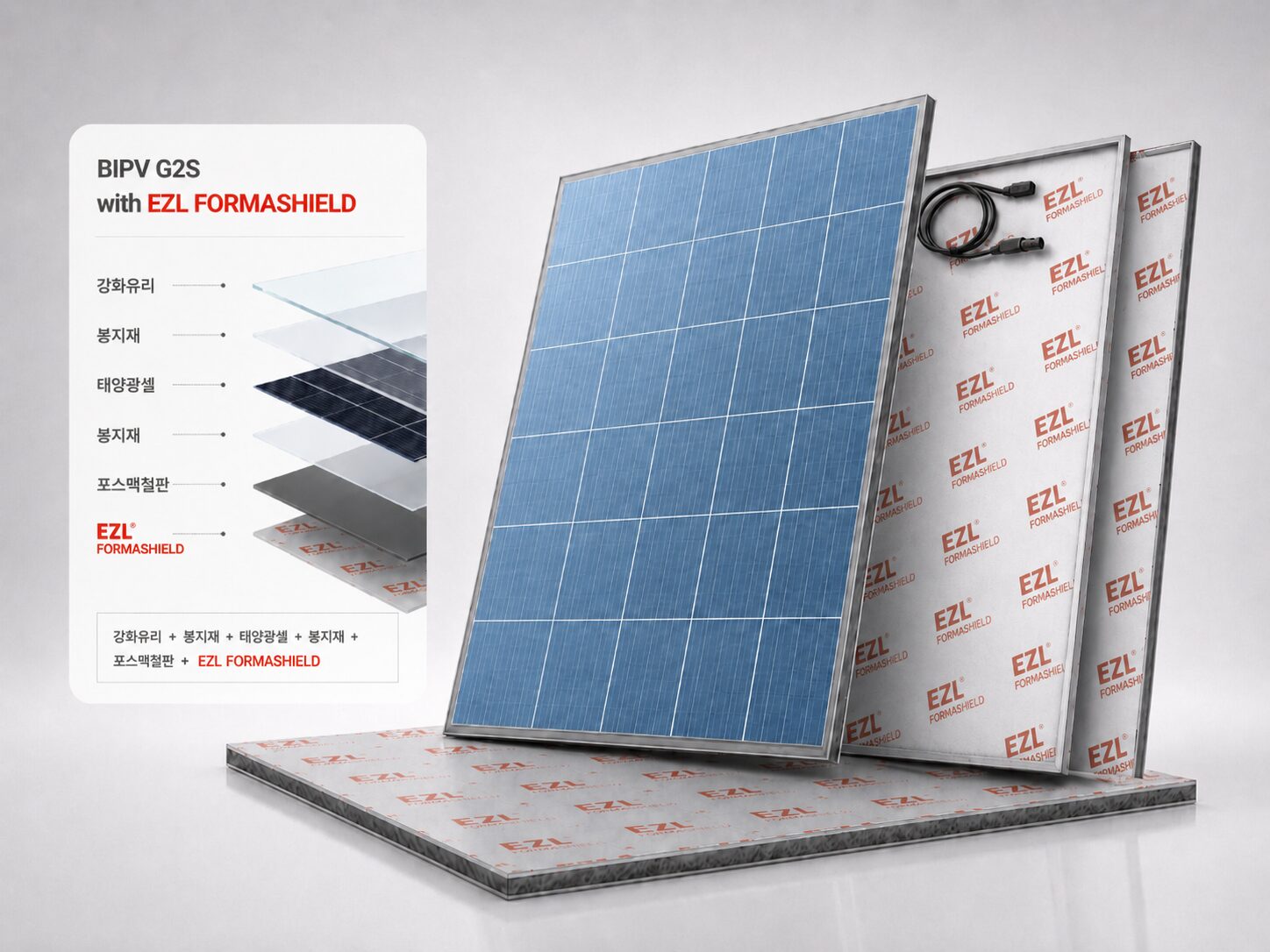
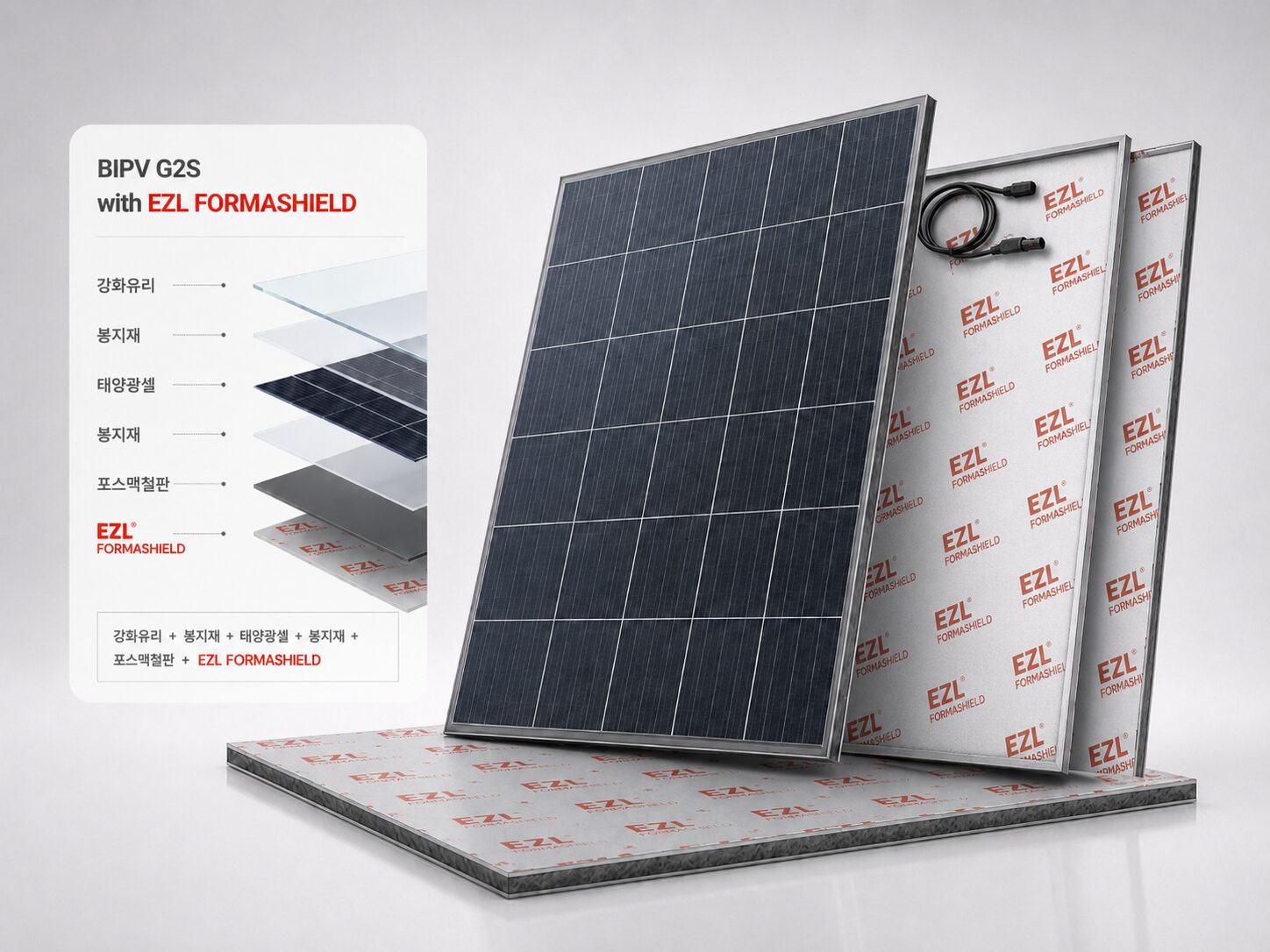
Charcoal color BIPV module (with FORMASHIELD fire-rated backsheet)
CHARCOAL
Charcoal
Blue color BIPV module (with FORMASHIELD fire-rated backsheet)
BLUE
Blue
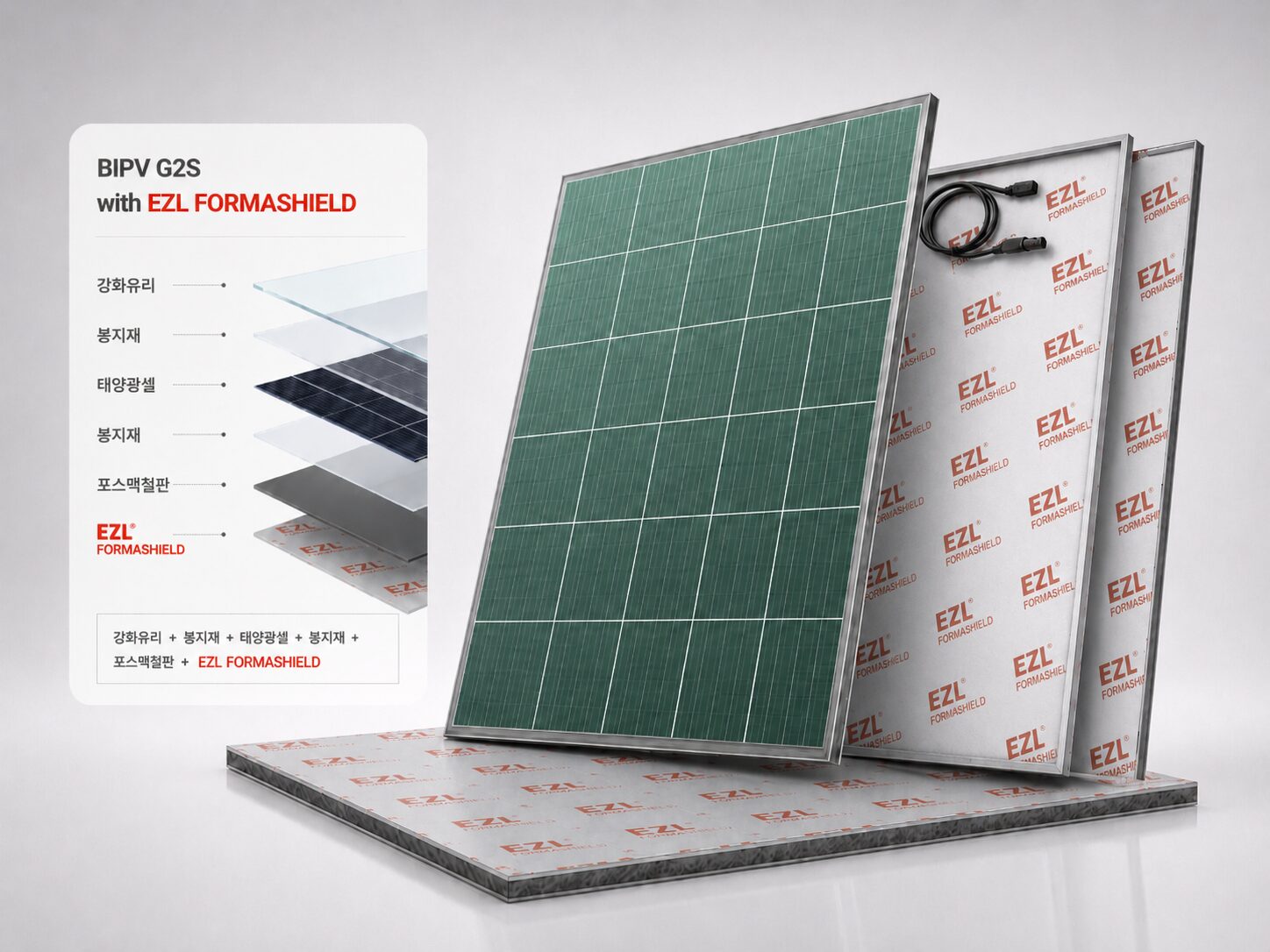
Green color BIPV module (with FORMASHIELD fire-rated backsheet)
GREEN
Cheongsan Green
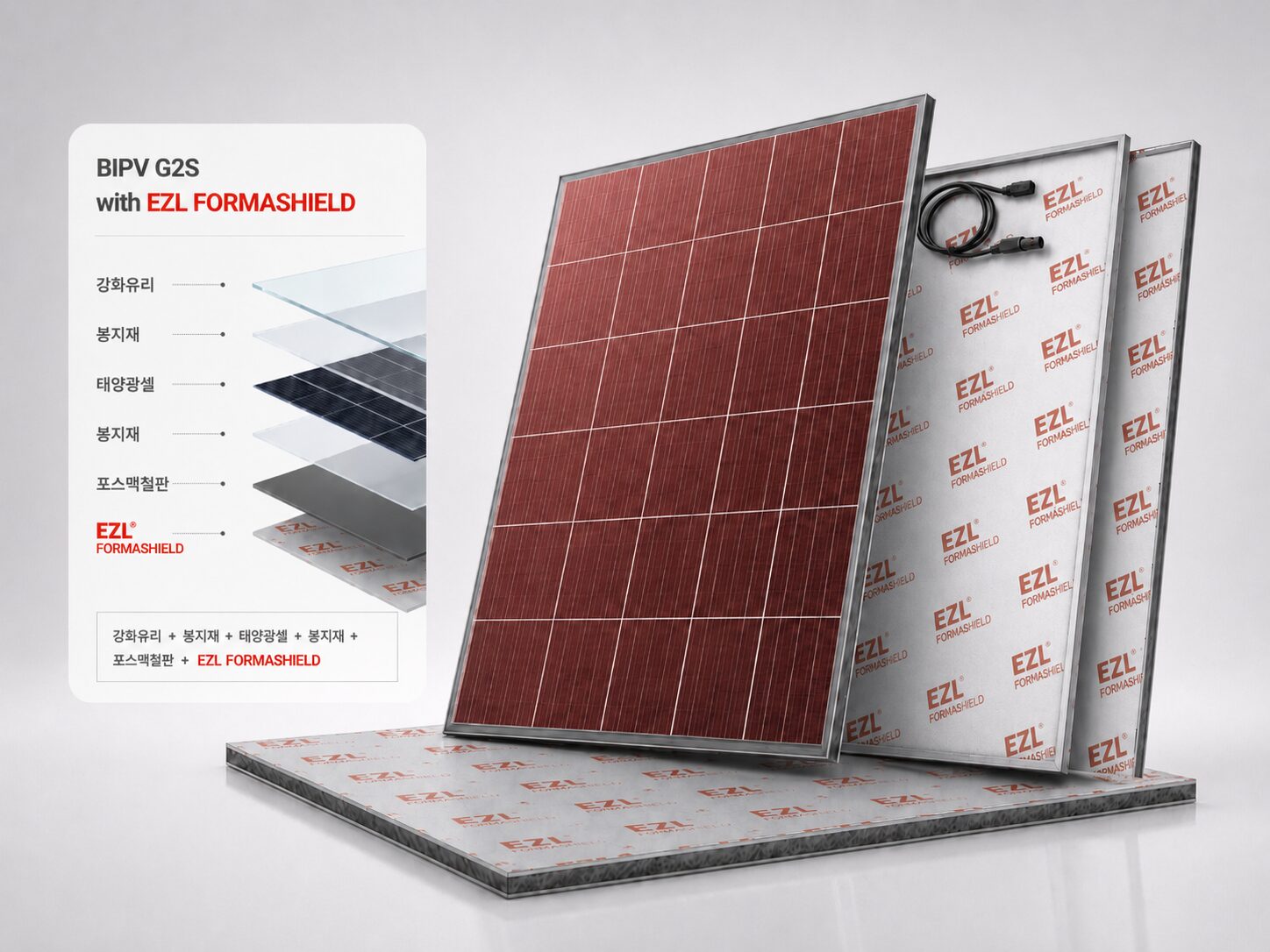
Terracotta color BIPV module (with FORMASHIELD fire-rated backsheet)
TERRACOTTA
Hanok Terracotta
BIPV module layer composition — tempered glass · encapsulant · PV cells · POSMAC steel · FORMASHIELD fire protection, integrated
INSIDE THE MODULE · INTEGRATED STRUCTURE

FORMASHIELD fire protection lives inside the module

Tempered glass · encapsulant · PV cells · POSMAC steel are laminated together with the FORMASHIELD fire-protection structure as one body. Fire safety is not bolted onto the outside of the module — it is built into the module's very composition.

06 · PROCESS

PYROSOL Process

4-STEP MANUFACTURING PROCESS

A BIPV module is completed through four core processes. Every process applies our own QC criteria, and the fire-safety design is kept consistent at every process stage.

STEP 01 🔬

Cell stringing (Cell Tabbing & String)

High-efficiency monocrystalline solar cells are connected in series by polarity and inspected, screening out cell-level defects in advance.

STEP 02 📦

Encapsulation lay-up (Lay-up)

Automatic lay-up in order: front glass → EVA → cell string → EVA → backing. The backing varies by 4-Pillar line.

STEP 03 🔥

Heat-press lamination (Lamination)

EVA is melted under high heat and pressure at 150–170℃ to encapsulate the cells and materials — a core process that permanently blocks moisture and oxygen ingress.

STEP 04

Fire-safety integration + inspection

After integrating each line's fire-spread-prevention structure, power, insulation and appearance are inspected. Every unit is checked and shipment-verification records are retained.

PRODUCTION CAPABILITY

In-House Production, From Raw Material to Module

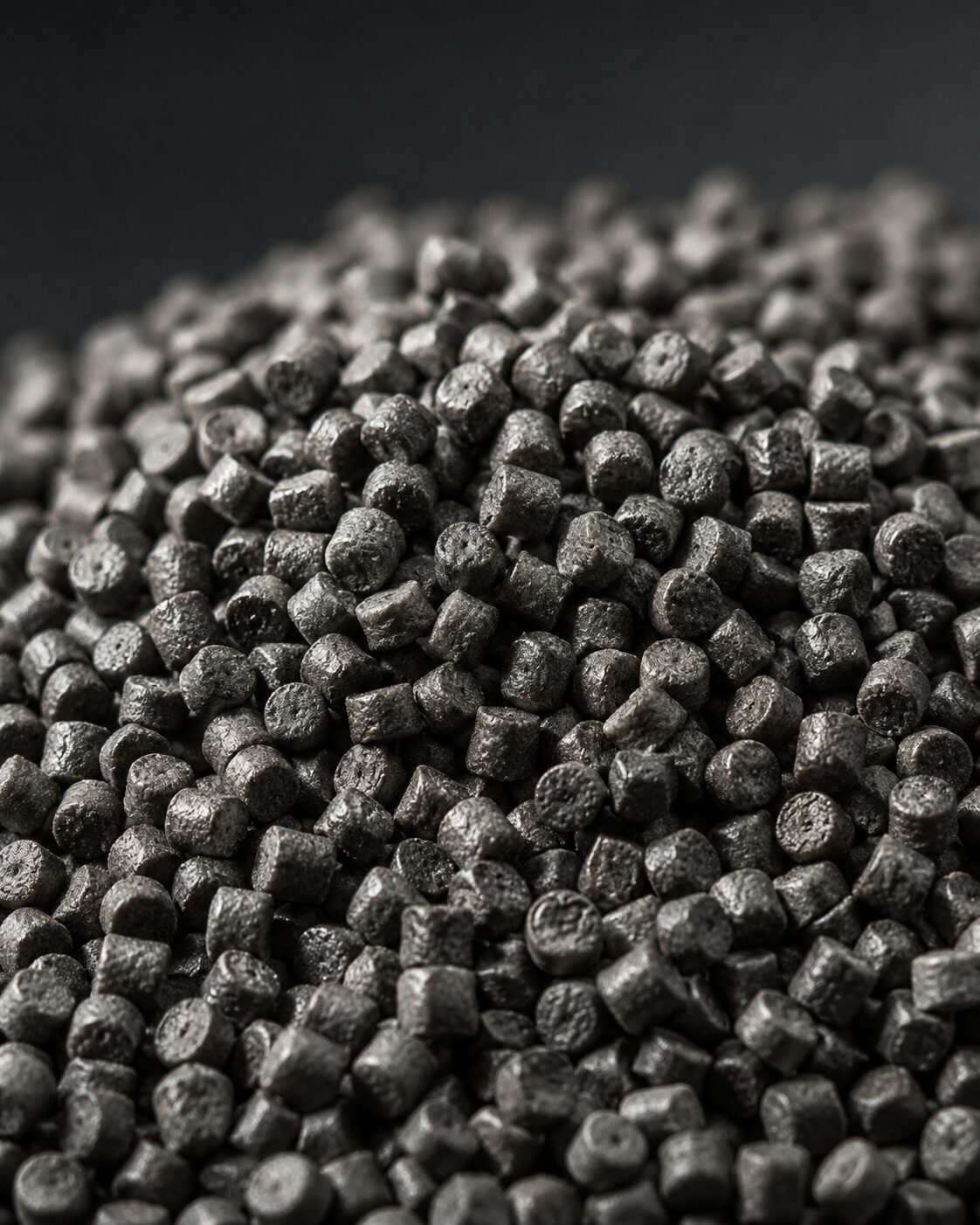
FORMASHIELD fire-protection raw-material compound (pellets)
RAW COMPOUND
Fire-protection raw compound
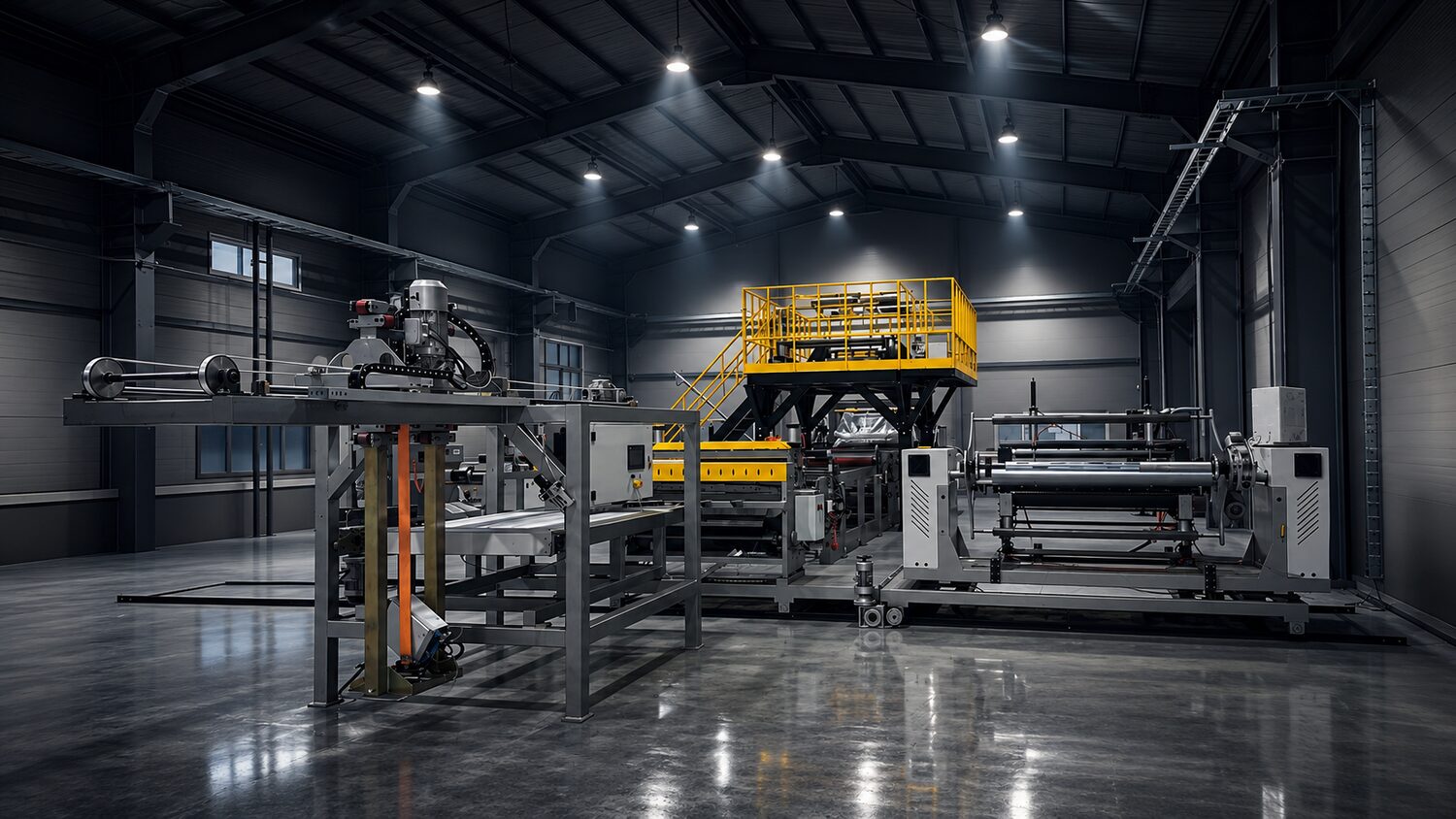
BIPV / fire-material production line interior
PRODUCTION LINE
In-house production line
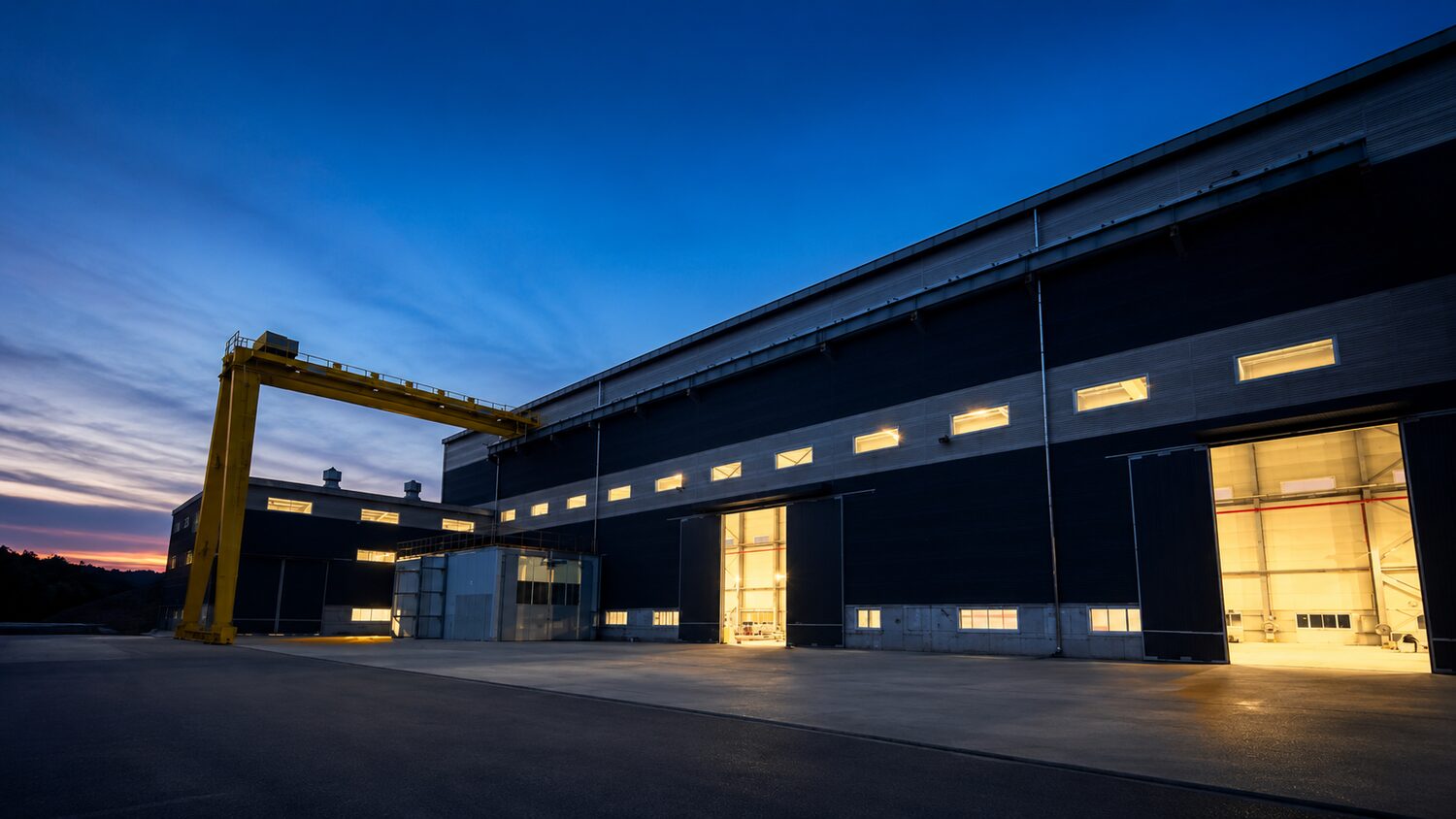
Production facility exterior
FACILITY
Production facility
Manufacturing process note. The process flow above summarizes the general stages of BIPV module manufacturing. Detailed information — precise specs, QC criteria and fire-safety integration methods for each process — is available on request.
07 · APPLICATIONS

Everywhere Safety Matters

RECOMMENDED USE CASES

From public, educational and medical facilities to data centers and transport infrastructure, PYROSOL BIPV applies to every building where fire safety is central.

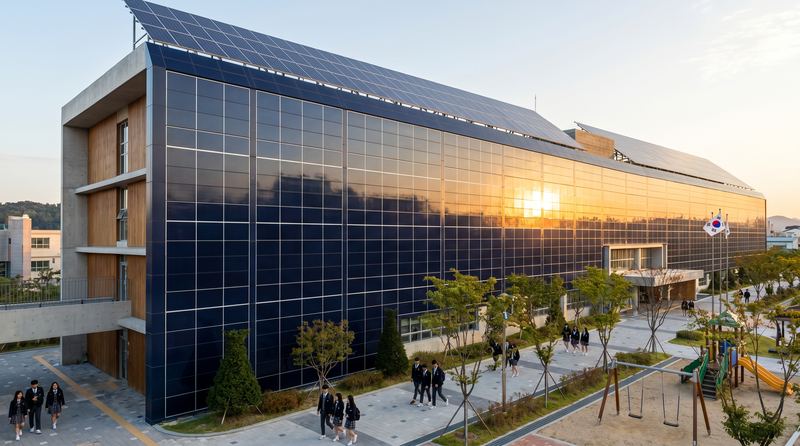
School BIPV façade application example
🏫 EDUCATION FACILITY

Education facilities

Applied to school, university and research-facility façades. Where the safety of students and staff comes first, fire-safe BIPV becomes a pillar of building safety, not merely a power system.

Recommended · G2S / G2P
Hospital BIPV façade application example
🏥 MEDICAL FACILITY

Medical facilities

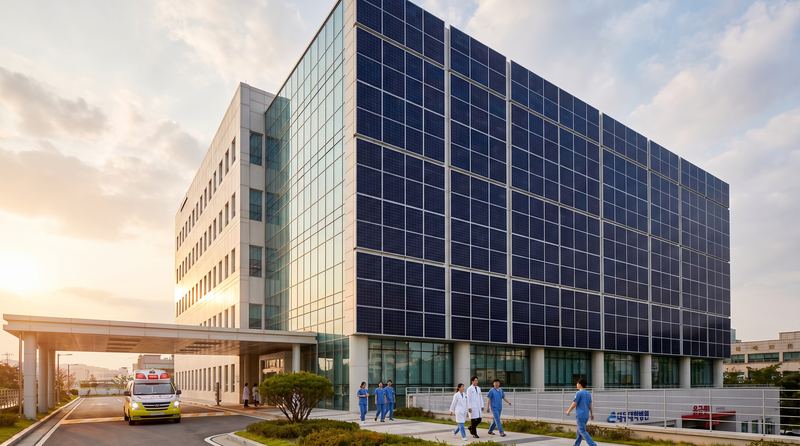
Hospitals and care facilities — with many patients of limited mobility and long-stay occupants — are hard to evacuate in a fire. A design that pre-empts façade fire spread is essential.

Recommended · G2P
Government building BIPV façade application example
🏛️ PUBLIC OFFICE

Government buildings

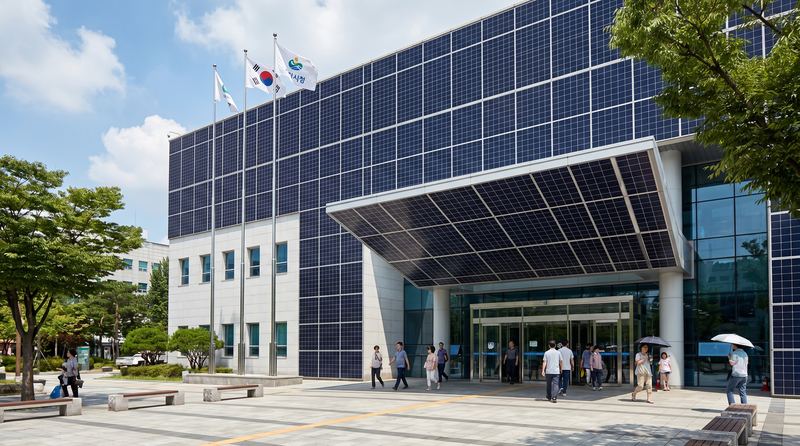
Government offices and public agencies lie on citizens' daily paths and fall under zero-energy mandates. They serve as both energy generators and safe cladding.

Recommended · G2G / G2S
Data center BIPV façade application example
💾 DATA CENTER

Data centers

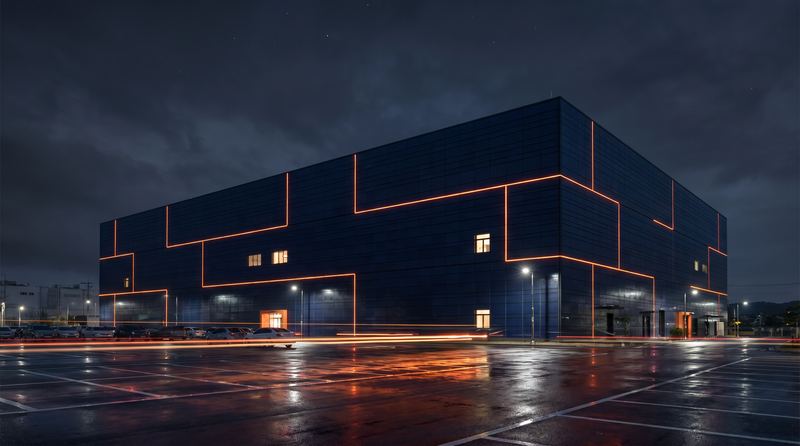
The façade of a high-density power facility is directly tied to fire risk. BIPV with fire-spread prevention built into the wall meets both facility safety and RE100 goals.

Recommended · G2P / G2B
Airport/station BIPV canopy application example
✈️ TRANSPORT INFRA

Transport infrastructure

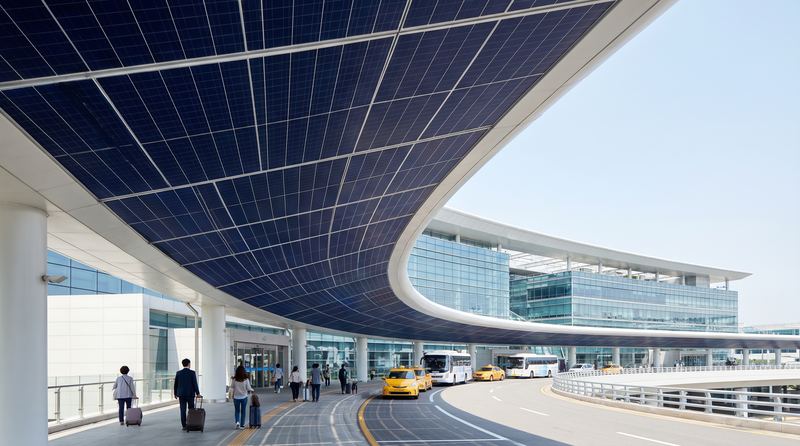
Large-volume facilities such as airports and rail stations combine dense crowds with large façade areas. Lines strong in lightweight, large-area application deliver both design and safety.

Recommended · G2B / G2G
Public housing BIPV façade application example
🏘️ PUBLIC HOUSING

Public housing

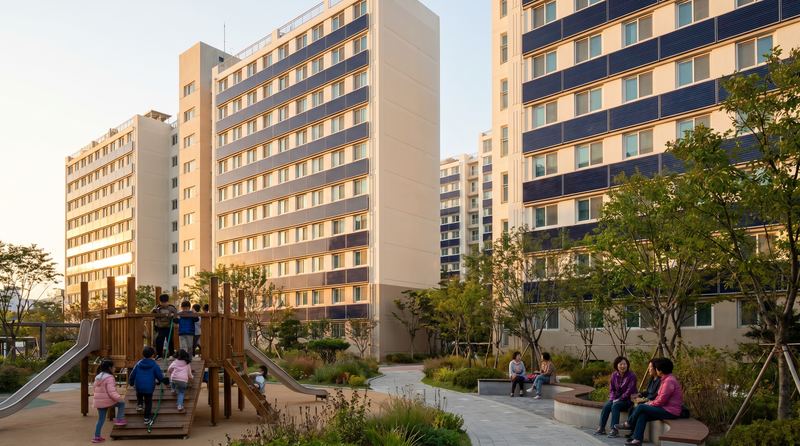
Façade fire in apartments and multi-family housing affects the safety of all residents — a fire-safe BIPV cladding that pairs with public-housing mandates and incentive programs.

Recommended · G2S / G2P
09 · DESIGN GUIDE

Design Considerations

ENGINEERING CHECKLIST FOR ARCHITECTS

Five key items architects, designers and contractors should review when applying PYROSOL BIPV to a project. If you need detailed specifications or interface drawings, please contact us.

1

Determine the fire-safety grade

Fix in advance the KS F 8414 conformance grade required by the building's use, floor count and compartmentation, then select the suitable 4-Pillar lineup for that grade.

2

Choose the backing (4-Pillar)

Choose the optimal line among G2G/G2S/G2P/G2B, considering environmental conditions (coastal, high-salinity, corrosion resistance), design needs (transmission, reflection) and weight constraints.

3

Decide color options

The six-color options are available on all four lines. Select colors considering the elevation concept and harmony with surrounding buildings.

4

Area, weight & load calculation

Calculate cladding load as BIPV area × per-line weight (15–28 kg/㎡), and verify it together with hanger and fixing-point design during structural review.

5

Review installation interfaces

Confirm interfaces with existing cladding systems, insulation and windows in advance. For detailed installation details, please consult the PYROSOL technical team.

Inquire about a project →
10 · CONTACT

Contact Us

GET IN TOUCH

We welcome all inquiries — products, quotes, technical materials and more. We reply within 1–2 business days.

EMAILcontact@pyrosol.co.kr
BUSINESS HOURSWeekdays 09:00–18:00 (KST)
RESPONSEReply within 1–2 business days